
Our Blogs
Insights on Brain Health, Leadership, and Personal Alignment
From Burnout to Purpose Through Brain Health and Leadership
Real leadership transformation begins from the inside out. It doesn’t start with a new title or a bigger team; it starts with a healthier, better-regulated brain. When you understand how your brain drives your decisions, emotions, and reactions under pressure, you gain the ability to lead yourself before you try to lead anyone else. That single shift is the foundation of everything that follows.
I’m Dr. Tassha Faison, a Licensed Professional Counselor and Brain Health and Leadership Strategist, and this is the approach I teach through Regal Lifestyle Enterprise LLC, publicly known as Your Regal Life: leadership built from the brain outward, not just from a playbook.
Lead yourself before you try to lead anyone else.
What Does “Leadership Transformation” Actually Mean?
Leadership transformation is the process of changing how a person leads by first changing how they think, regulate emotion, and respond under stress not simply changing their skills or job title. It’s an internal shift that shows up externally in decisions, relationships, and results.
Most leadership training focuses on tactics: communication frameworks, delegation models, and time management systems. Those tools matter, but they sit on top of something more fundamental: the brain systems that determine whether a leader can actually access those tools when it counts, especially in high-stakes or high-pressure moments.
Leadership transformation begins when the focus moves beyond simply learning what to do and toward understanding what may influence how a person thinks, responds, and behaves.
What Is Brain Health?
Brain health refers to optimizing how the brain functions through healthy habits, emotional regulation, stress management, quality sleep, proper nutrition, movement, and intentional thinking. Because the brain influences every decision, relationship, and behavior, improving brain health creates a stronger foundation for leadership, emotional resilience, and personal growth.
When we invest in brain health, we’re not just improving how we think—we’re improving how we lead, communicate, adapt, and show up for others.
A healthier, better-regulated brain can create greater capacity for reflection, intentional decision-making, emotional awareness, and meaningful connection.
My Journey to Brain Health and Leadership
My passion for brain health isn’t something I discovered in a classroom; it grew out of my own life experience.
After serving 20 years in the United States Army, I experienced significant physical and emotional health challenges that affected my brain health and overall well-being.
Like many people, I searched for answers that went beyond simply managing symptoms. Years earlier, watching Dr. Daniel Amen on PBS had planted a seed of curiosity about the connection between brain health and overall well-being. That seed eventually led me to Amen University, where I pursued advanced education in brain health.
Learning about brain health transformed how I viewed leadership, healing, and purpose. I realized that many of the challenges people face personally and professionally are influenced by patterns within the brain that can be understood, strengthened, and redirected.
Today, brain health education and leadership development extend across organizations, communities, and correctional settings. This work includes education, reentry support, leadership development, personal growth, emotional wellness, and efforts that contribute to stronger communities and meaningful impact.
I believe every person has the capacity to grow, heal, and lead with purpose when they understand how their brain influences their life.
Why Brain Health Is the Missing Piece in Most Leadership Development
Most professional development programs treat the brain as a black box. They teach what to do without addressing why leaders struggle to do it consistently, especially under pressure.
A brain-based approach to leadership looks at:
Emotional regulation — the ability to stay clear-headed and intentional instead of reactive when stakes are high.
Decision-making patterns — recognizing when a choice is being driven by previously learned patterns instead of present-moment judgment.
Internal barriers — the unresolved patterns that quietly limit how far a leader is willing to go, even when they have the skills to go further.
Nervous system regulation — the physical state of a leader’s body directly shapes the quality of their thinking.
This is why The Maturity Gap™ was created: to help people recognize the internal barriers affecting decision-making, emotional regulation, relationships, leadership, and sense of purpose.
Instead of asking, “What skill am I missing?” it asks a more powerful question:
“What internal pattern is actually running the show?”
The Maturity Gap™: A Different Starting Point for Leadership Work
The Maturity Gap™ identifies the space between a leader’s outward competence and their internal readiness—the gap between what someone can do and what they’re actually equipped to sustain under pressure.
That gap often shows up in familiar ways:
A leader who is highly skilled but avoids difficult conversations.
A team with excellent training that keeps repeating the same conflicts.
A high performer who hits the same emotional wall with every promotion.
A workplace culture where people know the right words but continue operating from the same limiting patterns.
Closing that gap isn’t about adding more information. It’s about addressing the internal patterns—often rooted in how the brain has learned to respond to stress, conflict, or uncertainty—that quietly influence leadership behaviors every day.
How This Shows Up in Practical, Everyday Leadership
Brain-based leadership isn’t an abstract concept; it changes daily behavior.
In practice, it looks like:
A manager who pauses before reacting to a tense email.
A team leader who recognizes and communicates emotions before they become conflict.
An executive who notices a defensive response as a previously learned pattern rather than an objective truth.
A workplace where feedback conversations become healthier because emotional regulation improves over time.
This is the foundation of effective leadership development, keynote speaking, corporate training, and organizational development. The goal is to help people build the internal capacity to lead with clarity, confidence, and purpose.
A brain-based approach connects the science of brain health with the practical realities of leadership, personal growth, and organizational development.
A Real-World Example: From Certification to Impact
The connection between brain health and leadership is not limited to boardrooms or corporate offices.
Brain health education, reentry support, leadership development, personal growth, and emotional wellness can all play a role in helping individuals move forward and create meaningful change in their lives and communities.
Completing Amen University’s Elite Brain Health Certification further developed the foundation for The Maturity Gap™ and deepened the connection between brain health, leadership, and personal transformation.
Leadership transformation is not reserved for executives. The same brain-based principles can help people lead families, communities, classrooms, recovery journeys, organizations, and their own lives.
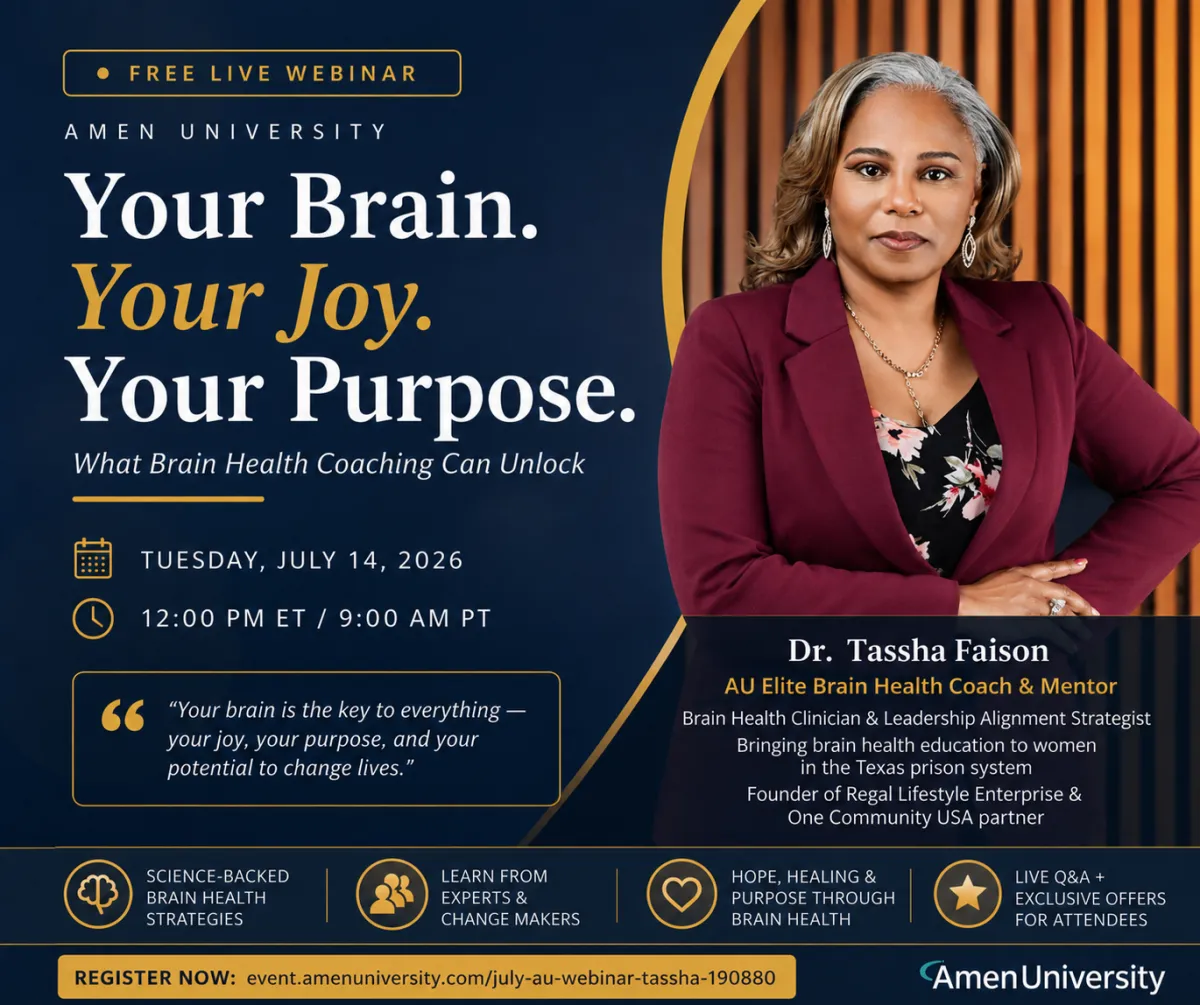
To learn more about this journey and how these principles are transforming lives, you can watch the Amen University Brain Health Webinar Replay.
Getting Started with Leadership Transformation
Leadership transformation isn’t a one-time event it’s an ongoing process that typically moves through several stages:
1. Awareness
Recognizing the internal patterns influencing thoughts, emotions, and behaviors.
2. Regulation
Developing brain-based strategies to remain calm, focused, and intentional under pressure.
3. Practice
Applying these skills consistently in everyday leadership situations.
4. Integration
Creating lasting habits so healthy responses become natural rather than forced.
Through Your Regal Life, these principles are reflected in keynote speaking, leadership development, organizational training, brain health education, consulting, and related professional services.
Frequently Asked Questions
What is leadership transformation?
Leadership transformation is the process of changing how a person leads by first changing how they think, regulate emotion, and handle stress not simply by learning new leadership techniques. Internal transformation produces external results.
How is brain-based leadership different from traditional leadership training?
Traditional leadership development teaches skills and strategies. Brain-based leadership addresses the emotional regulation, stress response, and decision-making patterns that determine whether someone can consistently apply those skills under pressure.
What is The Maturity Gap™?
The Maturity Gap™ is a transformational framework that helps individuals identify the gap between outward competence and internal readiness. It focuses on the internal barriers that influence leadership, relationships, emotional regulation, decision-making, and purpose.
How long does leadership transformation typically take?
The timeline varies from person to person. Many people develop greater self-awareness early in the process, while lasting change develops through consistent practice and application.
Is this approach only for executives?
No. Brain-based leadership principles apply to leaders at every level because they begin with how the brain manages stress, relationships, and decision-making. These principles can be valuable in organizations, communities, educational environments, correctional settings, and everyday life.
Ready to Lead from the Inside Out?
Leadership transformation begins with understanding what influences the way people think, respond, communicate, and make decisions.
Whether you are seeking a keynote speaker, leadership development, organizational training, brain health education, or consulting support, Your Regal Life offers opportunities to explore leadership from the brain outward.
Contact Regal Lifestyle Enterprise LLC to learn more about keynote speaking, leadership development, organizational training, brain health education, and consulting.
About Dr. Tassha Faison
Dr. Tassha Faison is a Licensed Professional Counselor and Brain Health and Leadership Strategist. She is the creator of The Maturity Gap™, a transformational framework that helps individuals recognize the internal patterns influencing decision-making, emotional regulation, relationships, leadership, and purpose.
Through Regal Lifestyle Enterprise LLC, publicly known as Your Regal Life, Dr. Faison provides keynote speaking, leadership development, organizational training, brain health education, and consulting grounded in personal experience, professional expertise, and a brain-based understanding of transformation.

Before You Book, Get Clear
Take 2 minutes to uncover what’s holding you back—and your next aligned step forward.